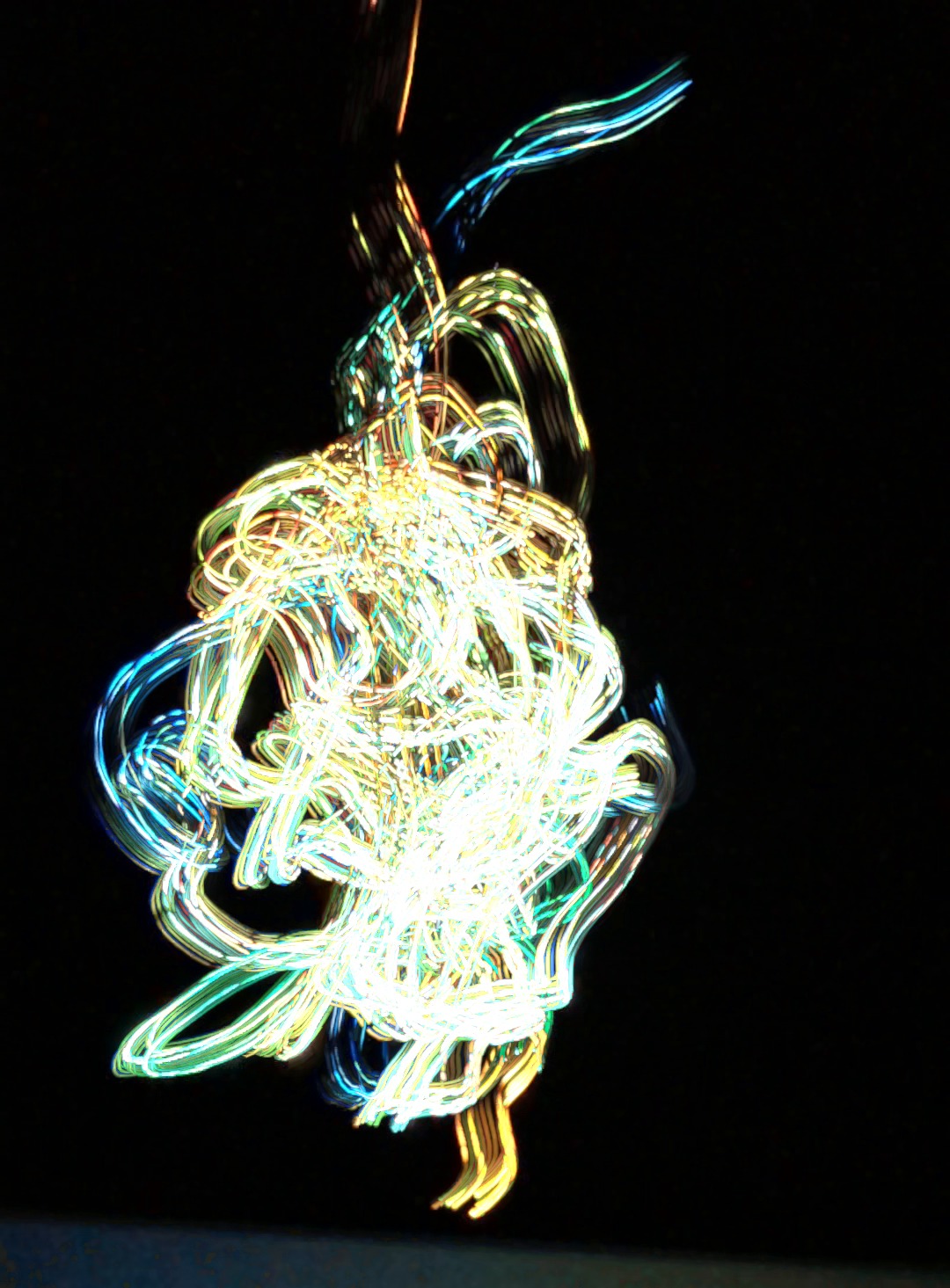
Slit-Scan Gallery.
Slit-Scan Gallery
A simple explanation.
The following explanation is too simplistic, but it gives an idea of how this process works.
How to do slit scan photography
Record a video, 2 or 3 minutes long. Or take photos every minute over a long time.
If you use footage as source disassemble the movie frame by frame to generate the a lot of images. Its good to have several thousand single frames.
Then cut from every image a small band, maybe 1 pixel small. Only one strip per frame. And arrange the these stripes to build one new image.
An other way to think about slit-scan photography
Your footage can be arranged like a 3D cube filled with voxels. On the front side of this cube the first image of your series can be seen. All the frames are planes with X/Y coordinates. And all this planes are stacked inside this cube. In Z direction the images are sequentially stacked. You can call the Z direction the time axis.
Its now possible to cut this cube in an arbitrary way. Look at the cutting face. This intersecting plane is your new image.
Time
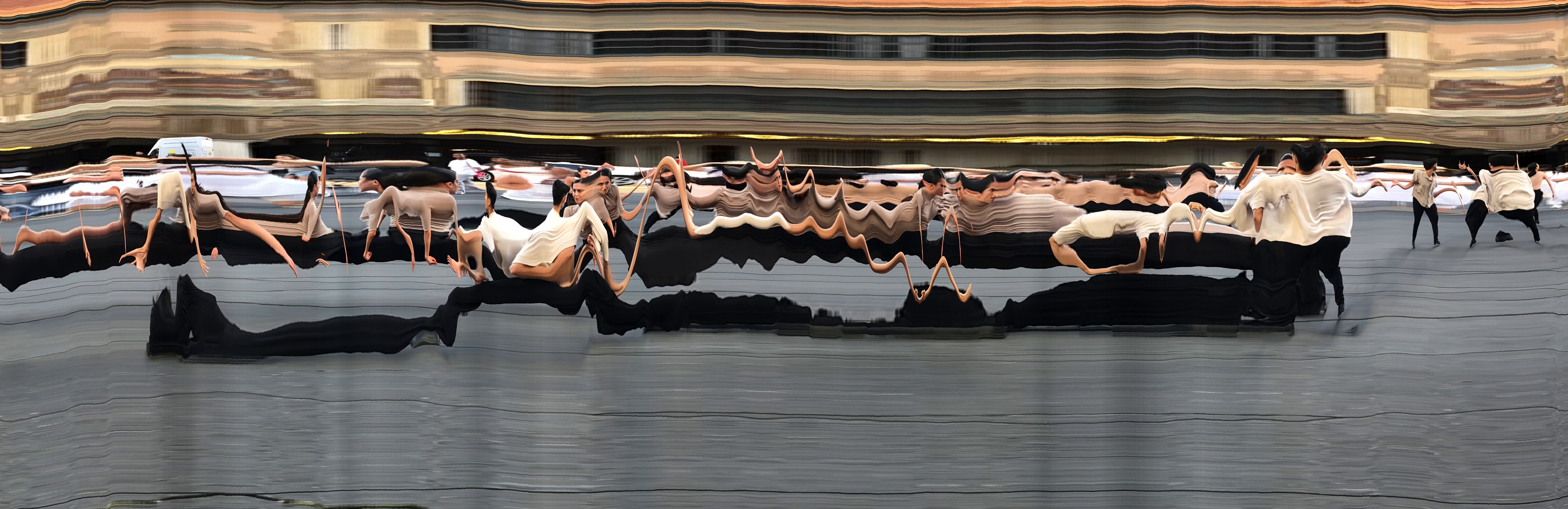
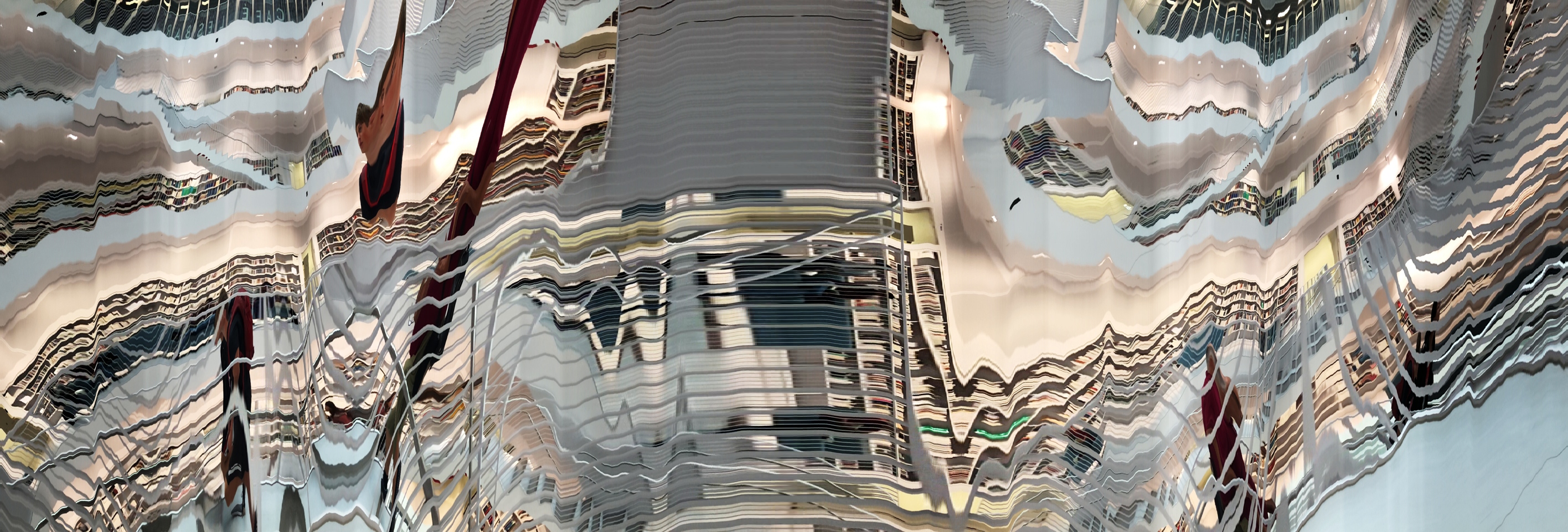
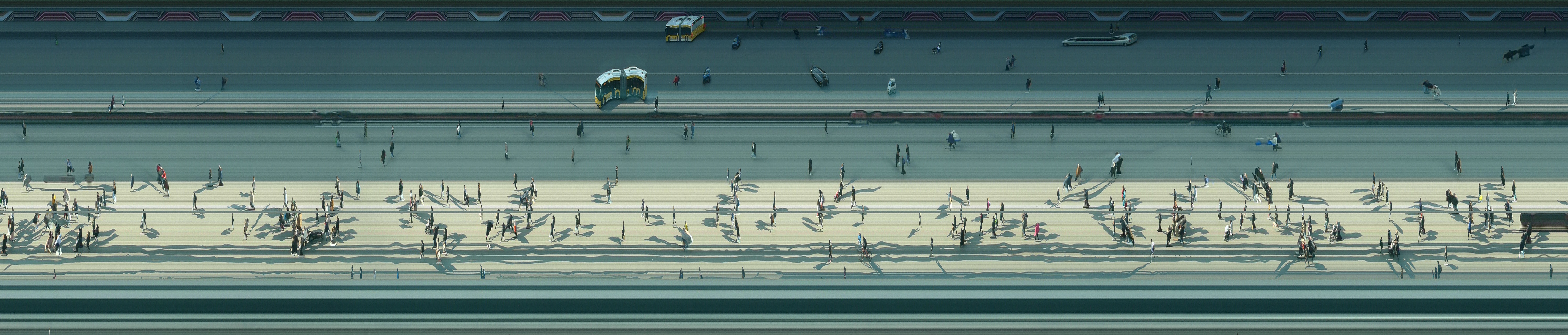
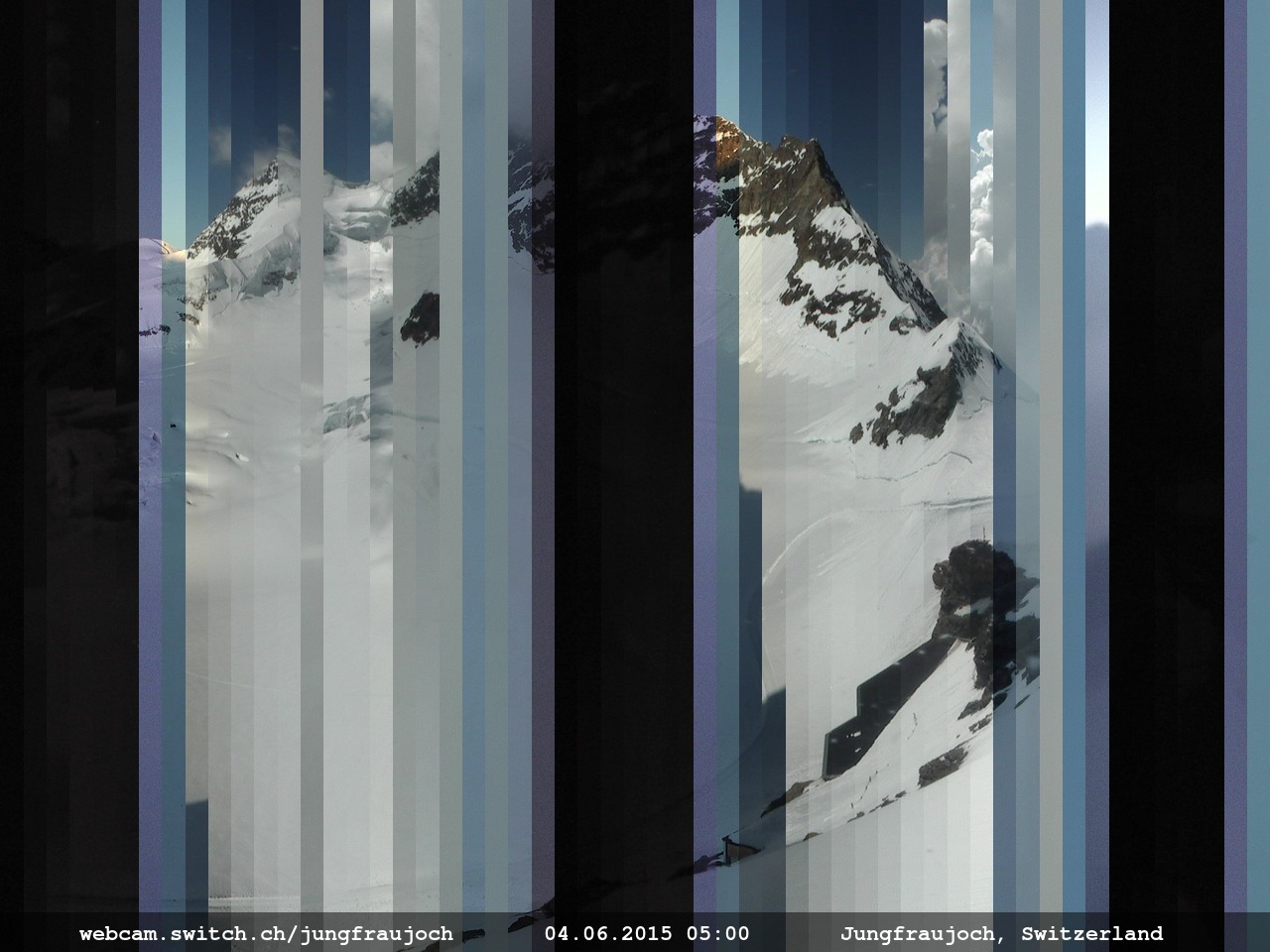
In the field of photography, the function of time is usually closely linked to the motif. Very short exposure times are used in sports photography, while long exposure times are used to capture the flow of a river. Within Slit-Scan, time becomes an independent design element.
Frozen Time
Simultaneity is suspended in the image. The parts of the motif shown in the image originate from different moments in time. A moving motif appears distorted. It is the temporal axis that is distorted.
Gallery
Slit-Scan
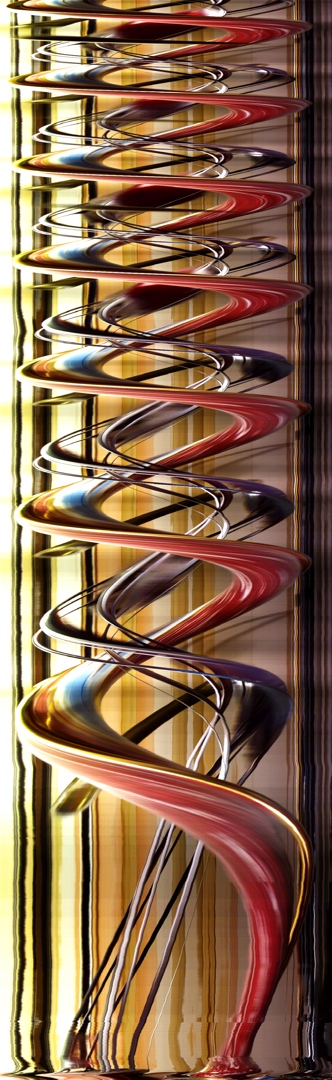
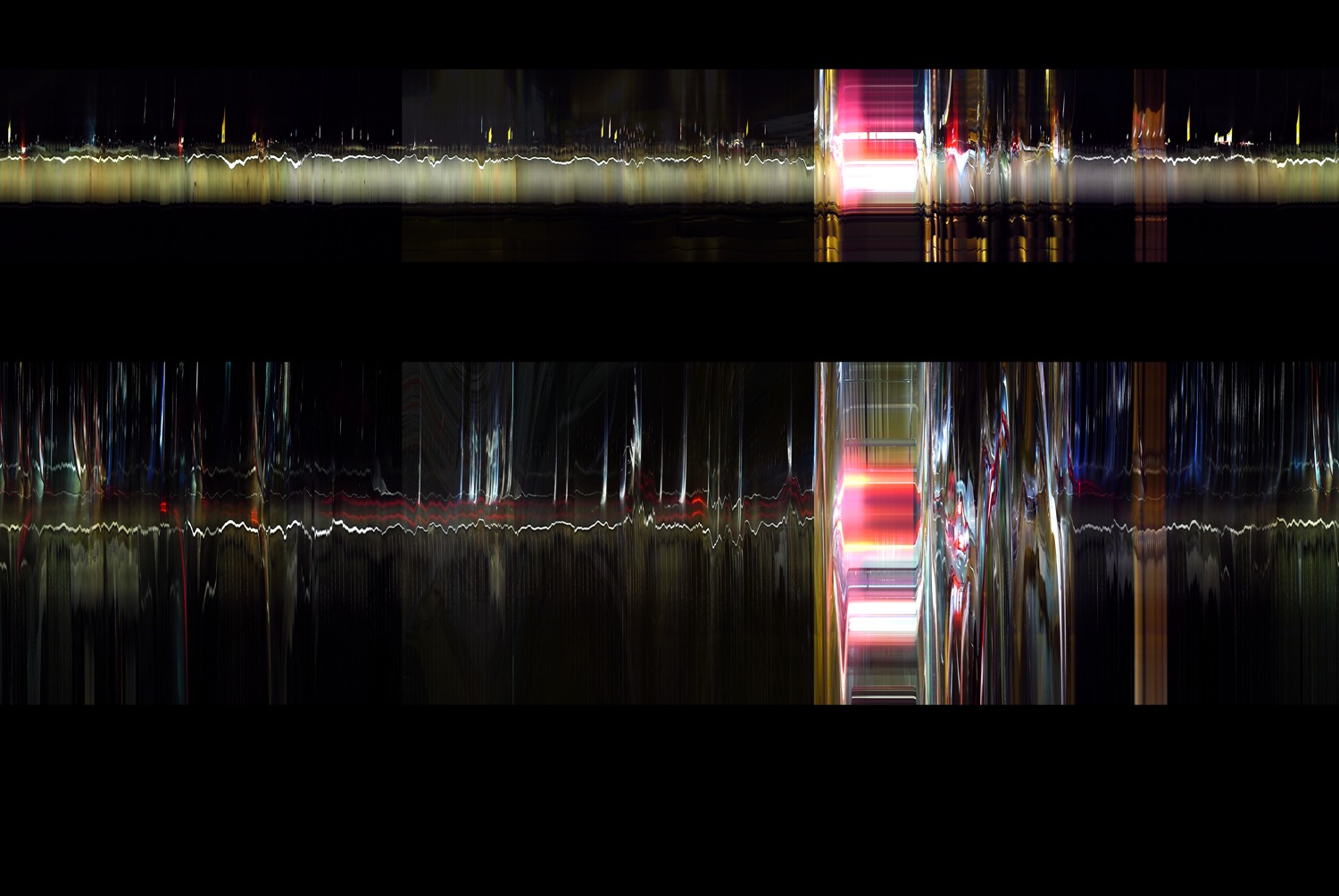
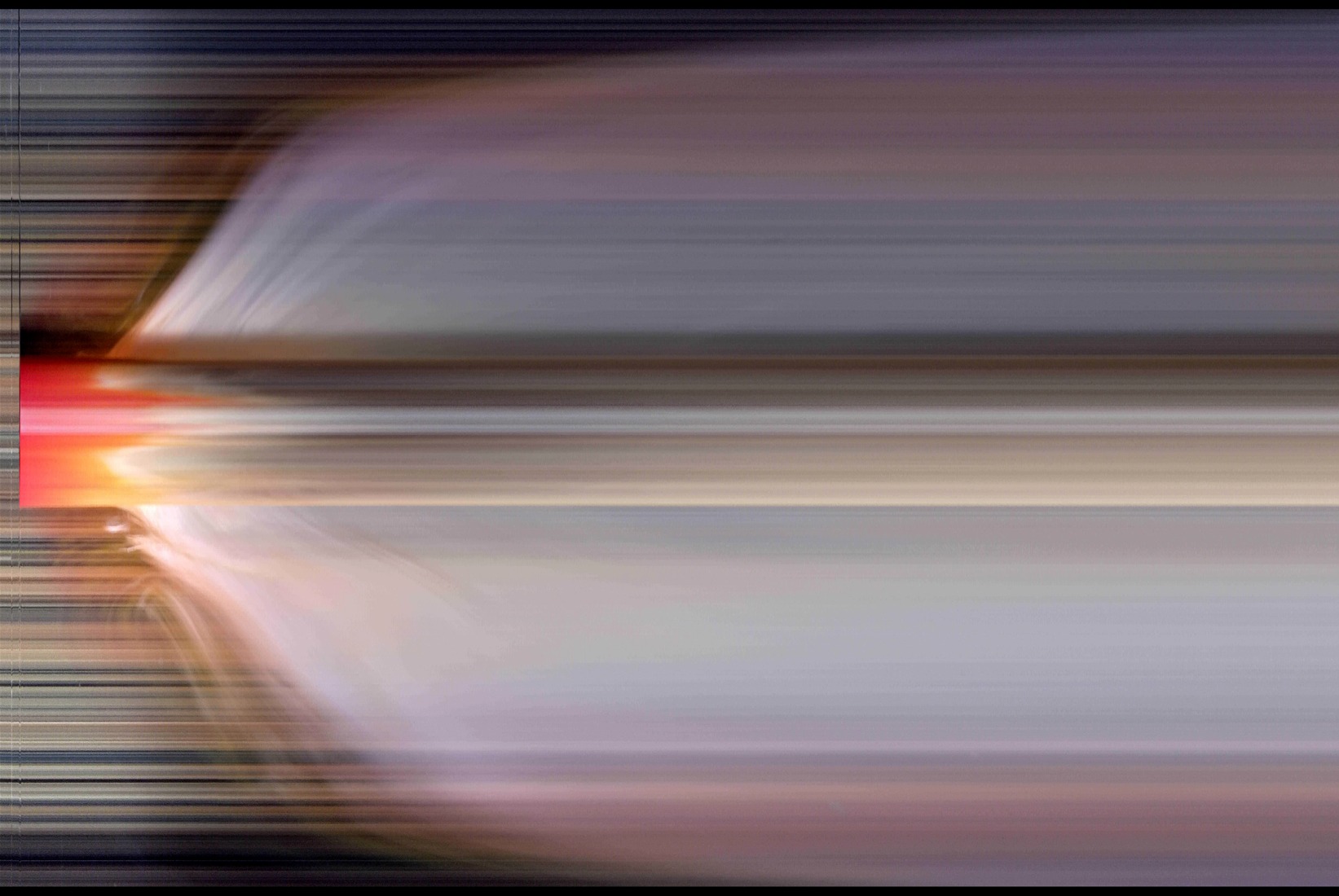
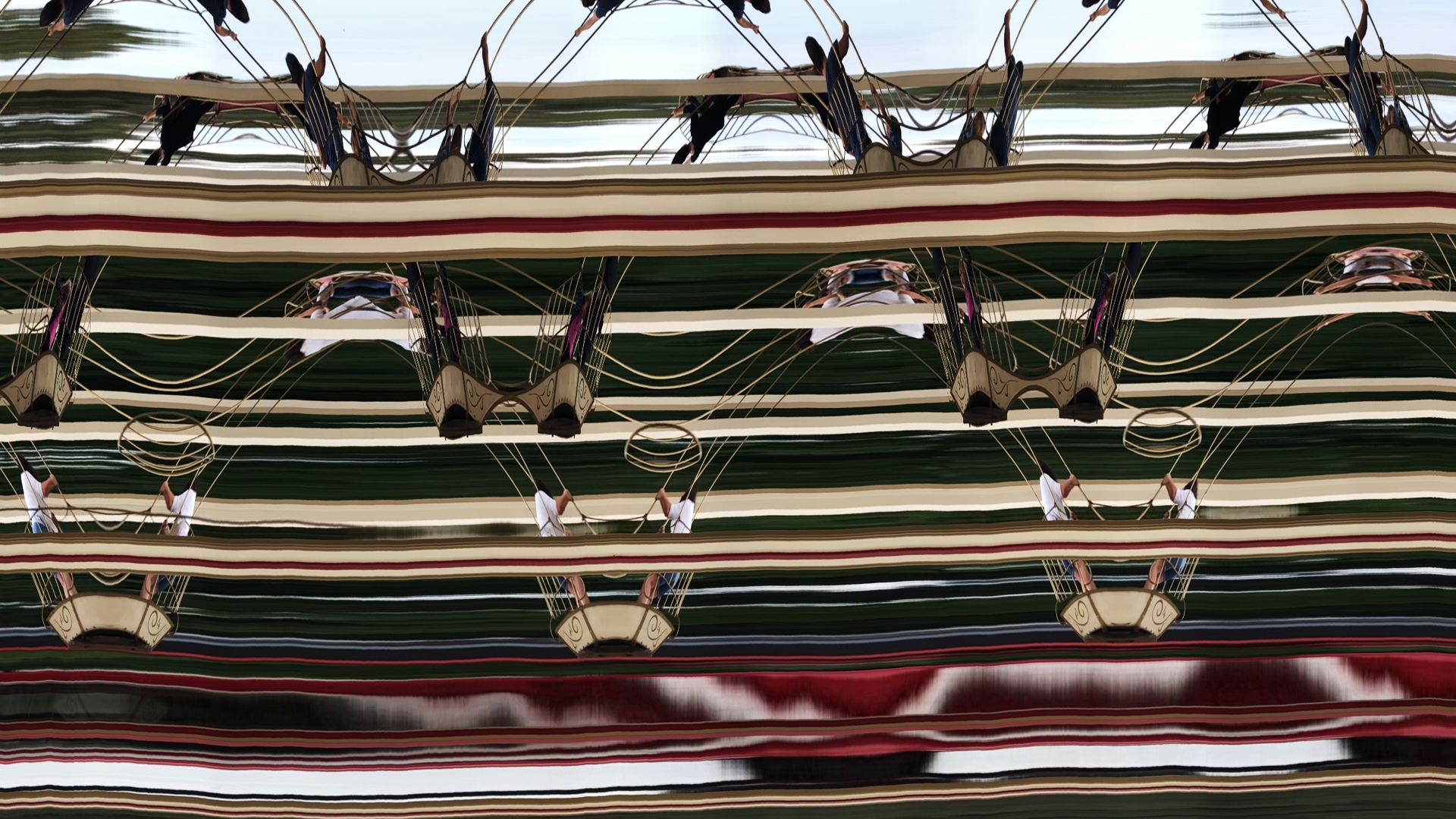
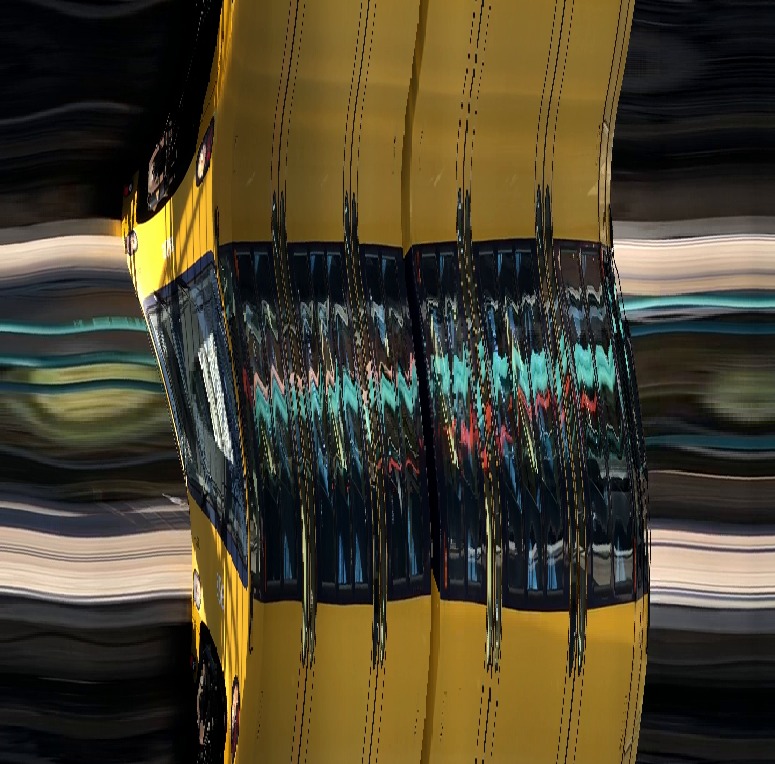
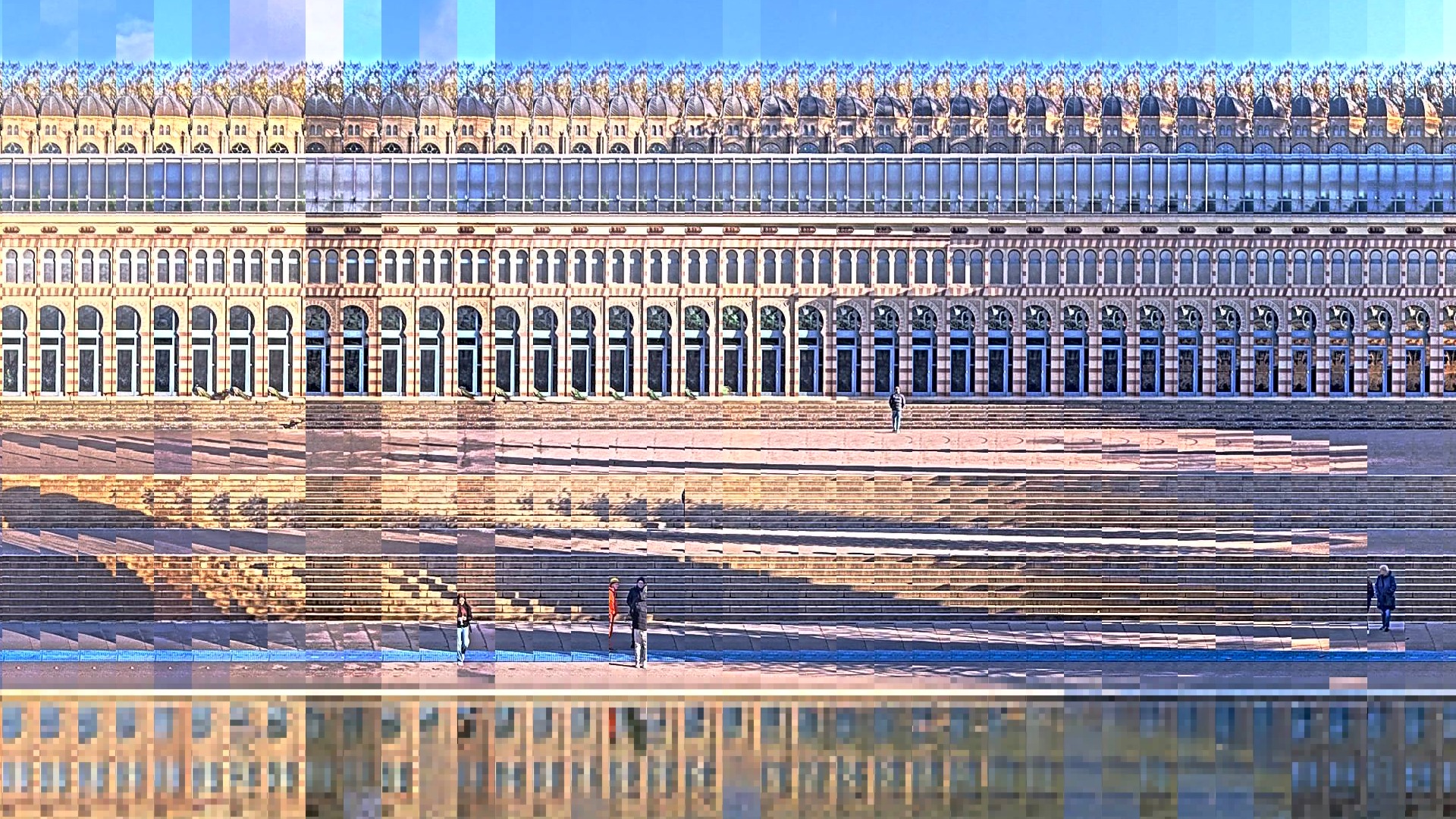
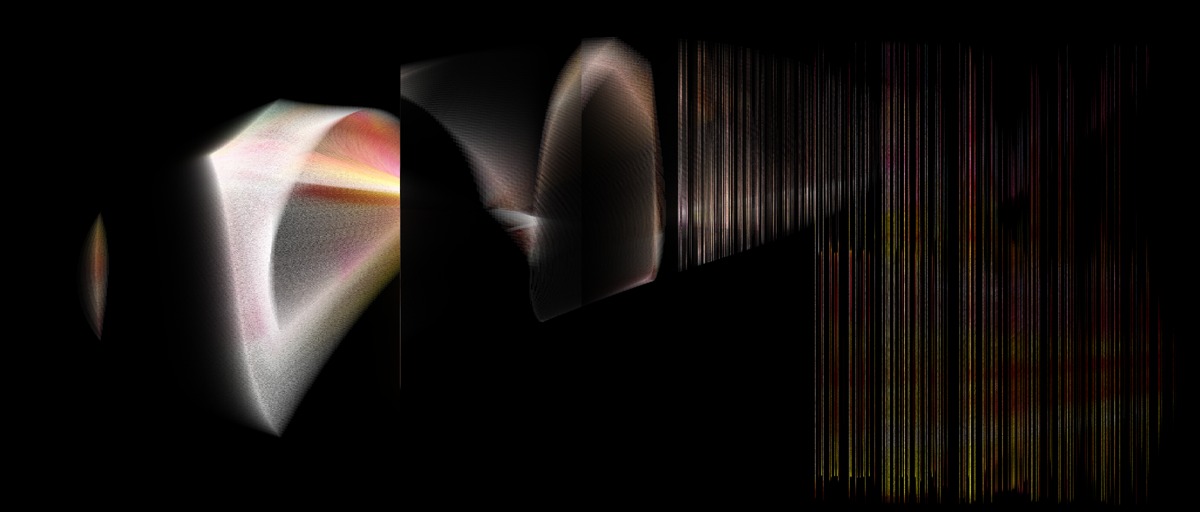
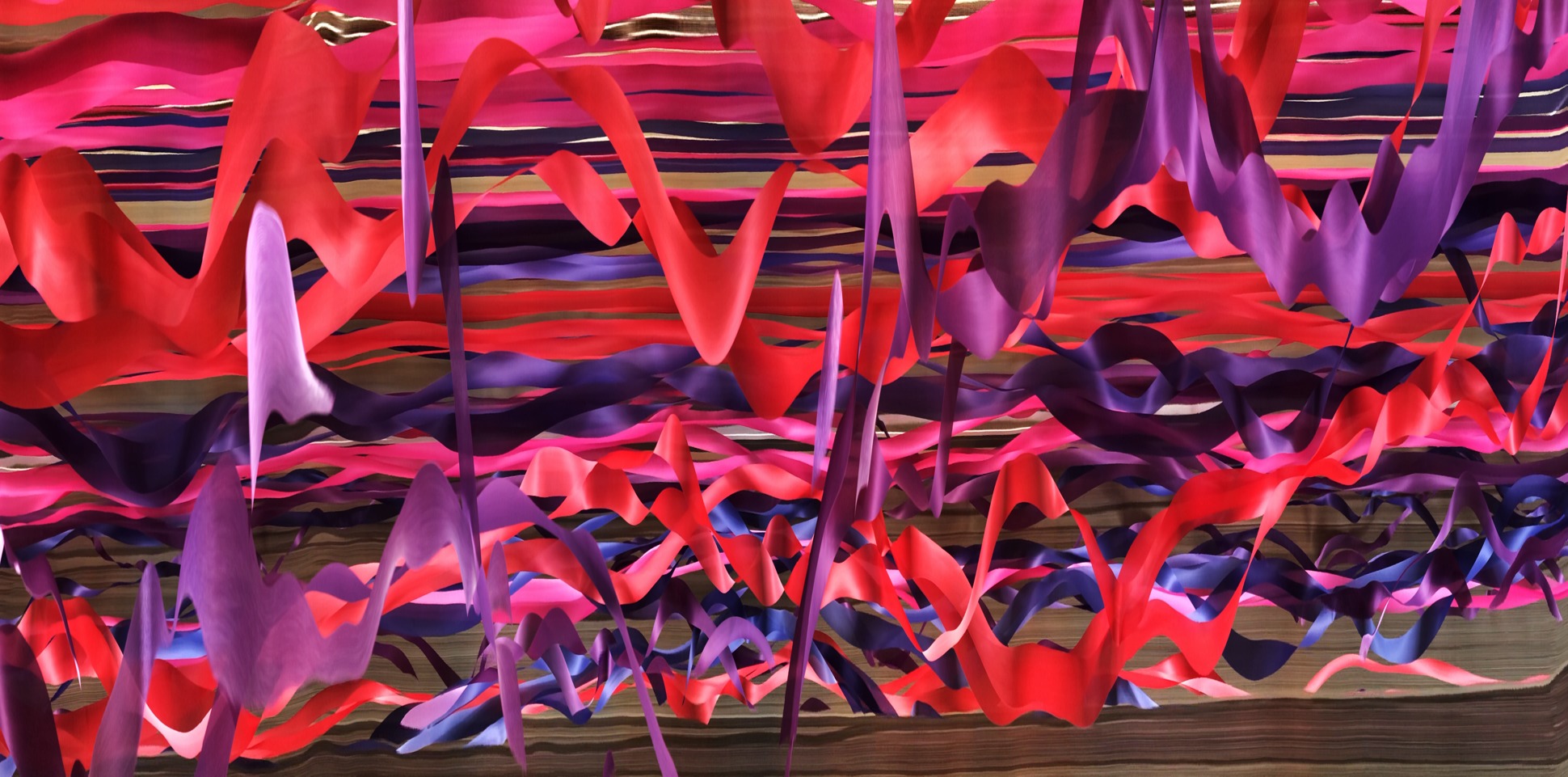
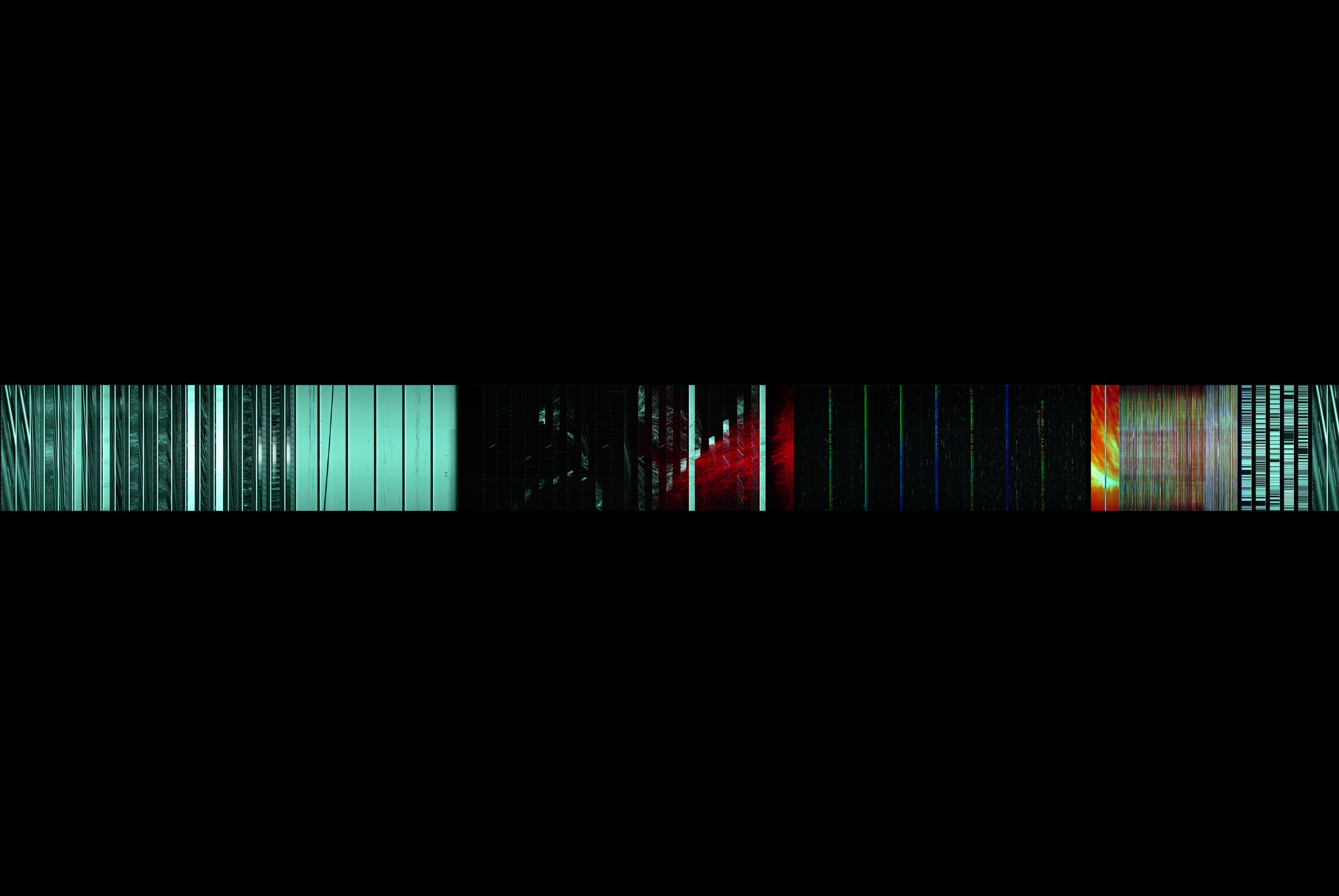
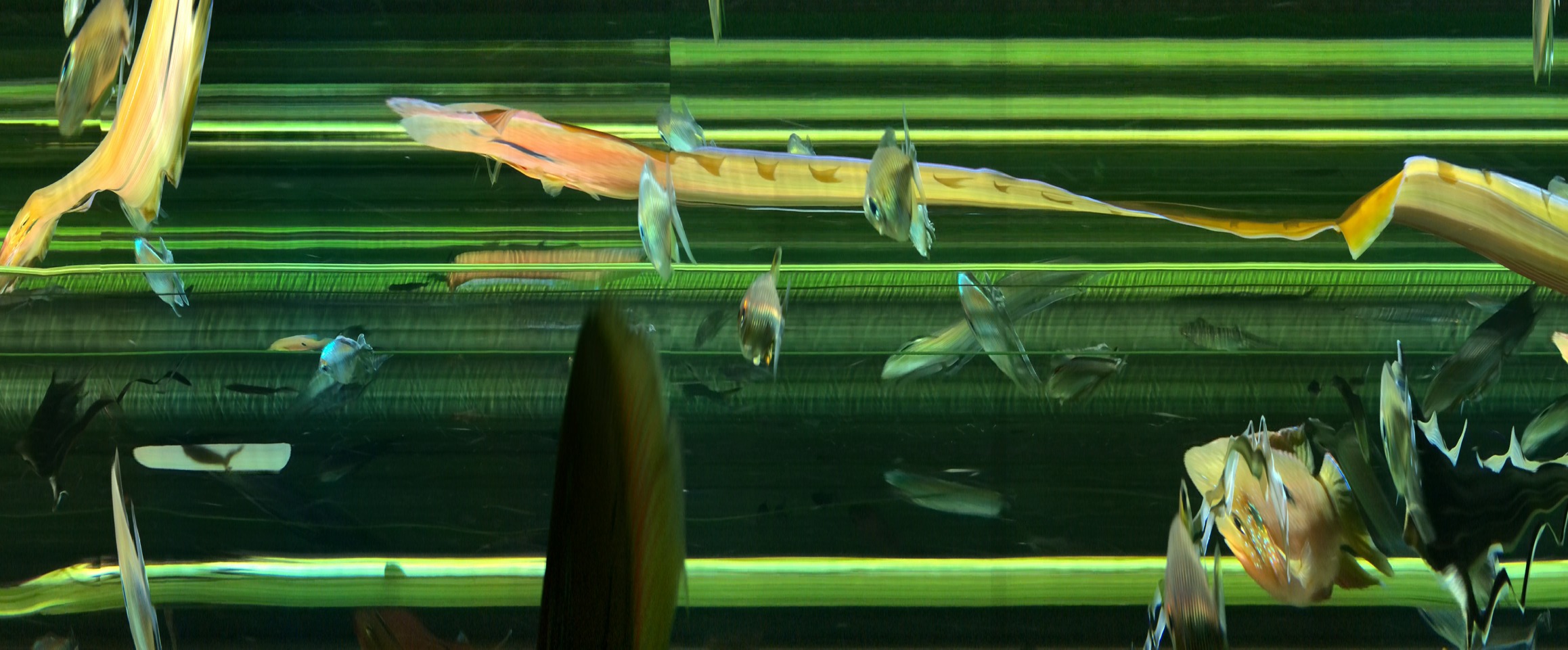
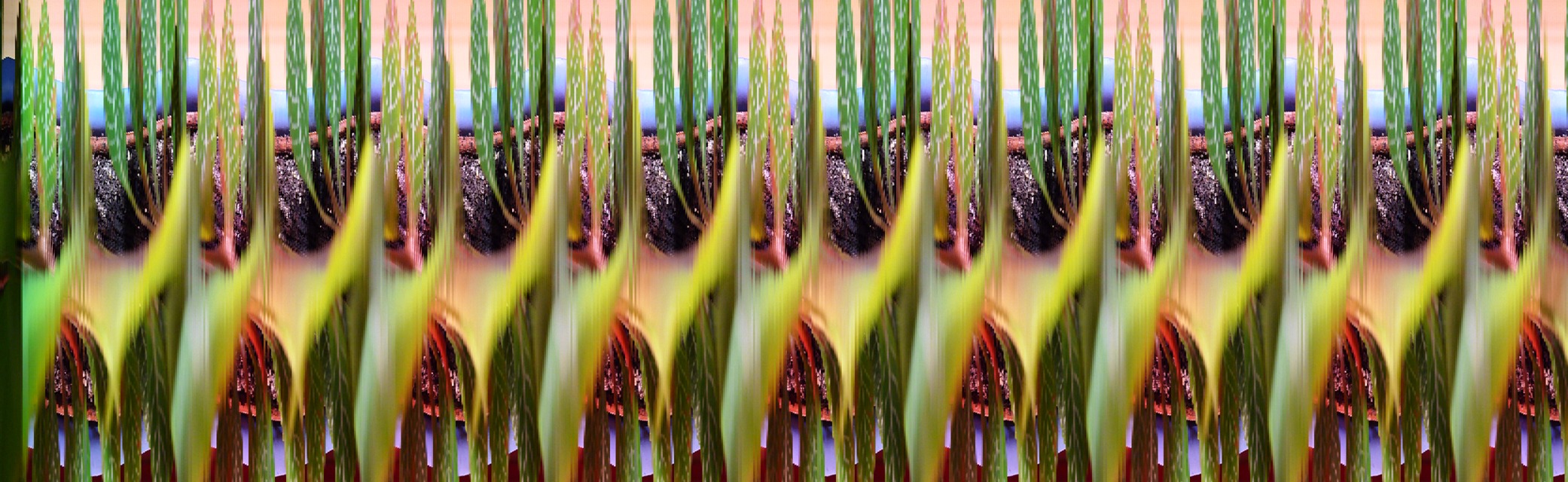
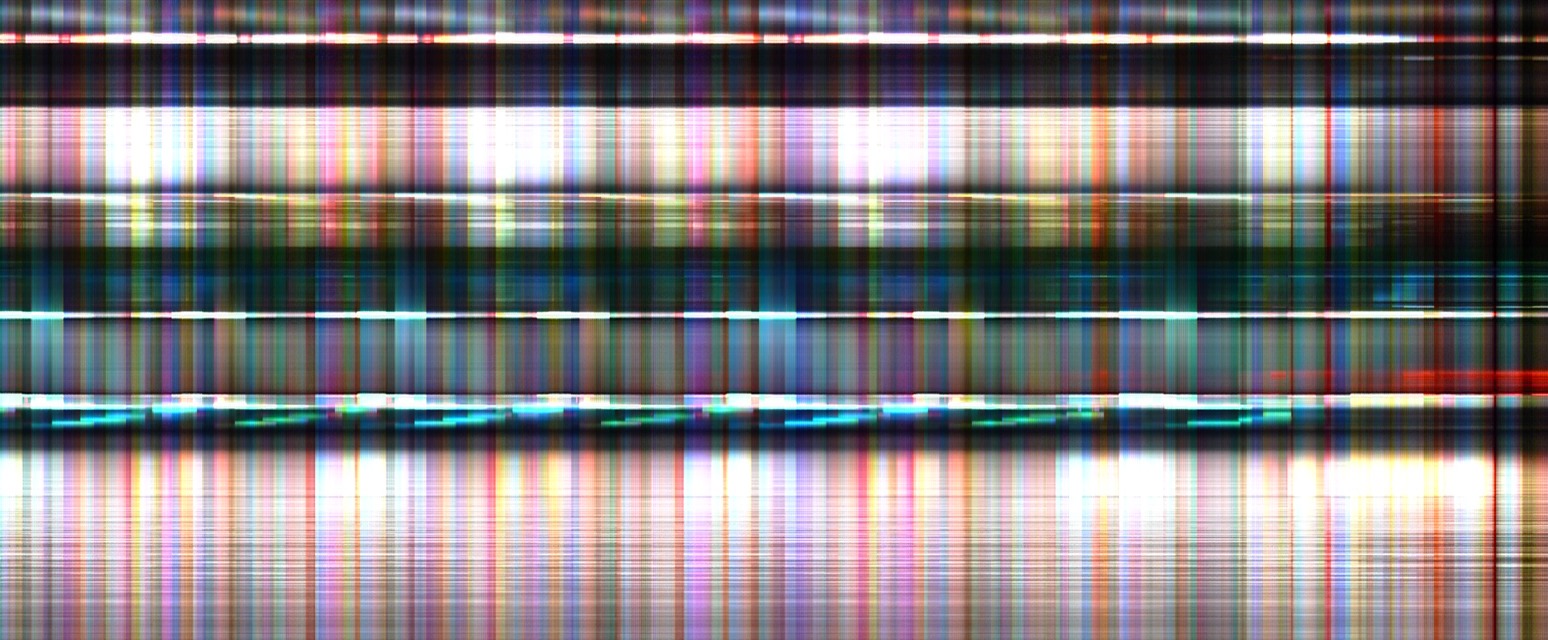
Time Distortion
TODO
Other Things